
Avalanche danger level
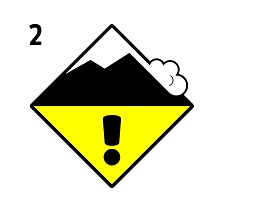
Danger level scaleDanger level description
The snowpack is only moderately well bonded on some steep slopes; otherwise well bonded in general.
Triggering is possible, primarily from high additional loads, particularly on the indicated steep slopes. Very large natural avalanches are unlikely.
Partially unfavourable conditions. Acitvity in the mountains requires ability to adequately assess local avalanche danger, appropriate selection of itinerary, as well as following the elementary principles of avalanche safety on all steep slopes, particularly those indicated in avalanche bulletin as unfavourable in regard of aspect or altitude.
Bulletin details
Region: Tatry Wysokie and Tatry Zachodnie
Danger level:
moderateDanger level description:
Snowpack stability:The snowpack is only moderately well bonded on some steep slopes; otherwise well bonded in general.
Avalanche triggering:Triggering is possible, primarily from high additional loads, particularly on the indicated steep slopes. Very large natural avalanches are unlikely.
Travel recommendations:Partially unfavourable conditions. Acitvity in the mountains requires ability to adequately assess local avalanche danger, appropriate selection of itinerary, as well as following the elementary principles of avalanche safety on all steep slopes, particularly those indicated in avalanche bulletin as unfavourable in regard of aspect or altitude.
Danger level tableAvalanche problems:
All day
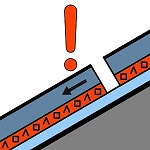
Avalanche problems
CLIMBERS! HIKERS! SKIERS!
The avalanche bulletin is an element of avalanche warning system and consists of, predominantly, a general description of avalanche danger. Information contained in the avalanche bulletin comprises an essential substrate for individual avalanche danger assessment. However, the contents of the avalanche bulletin must not replace avalanche danger assessment conducted on one’s own, locally (i.e. in the mountains).
Your safety is, first of all, in your hands. Be cautious. Adjust your plans to current and forecasted weather in the mountains, to your skills, and your winter outdoor experience in particular.
REMEMBER: IN SITUATION OF AN ELEVATED AVALANCHE DANGER THE RESCUERS MAY ARRIVE TOO LATE TO SAVE YOU!
Avalanche danger level
Danger level scaleDanger level description
The snowpack is only moderately well bonded on some steep slopes; otherwise well bonded in general.
Triggering is possible, primarily from high additional loads, particularly on the indicated steep slopes. Very large natural avalanches are unlikely.
Partially unfavourable conditions. Acitvity in the mountains requires ability to adequately assess local avalanche danger, appropriate selection of itinerary, as well as following the elementary principles of avalanche safety on all steep slopes, particularly those indicated in avalanche bulletin as unfavourable in regard of aspect or altitude.
Bulletin details
Region: Tatry Wysokie and Tatry Zachodnie
Danger level:
moderateDanger level description:
Snowpack stability:The snowpack is only moderately well bonded on some steep slopes; otherwise well bonded in general.
Avalanche triggering:Triggering is possible, primarily from high additional loads, particularly on the indicated steep slopes. Very large natural avalanches are unlikely.
Travel recommendations:Partially unfavourable conditions. Acitvity in the mountains requires ability to adequately assess local avalanche danger, appropriate selection of itinerary, as well as following the elementary principles of avalanche safety on all steep slopes, particularly those indicated in avalanche bulletin as unfavourable in regard of aspect or altitude.
Danger level tableAvalanche problems:
All day
Avalanche problems
TOPR comment to bulletin:
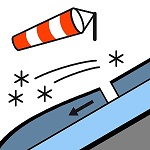
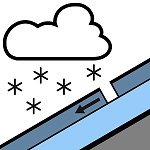
Avrain conditions have worsened! Numerous newly formed deposits of wind-blown snow, poorly bonded to older layers from previous snowfalls. These deposits are unevenly distributed, particularly near ridges, in gullies, and in any depressions in the terrain. Additionally, a weak, persistent layer has formed within the snowpack, present particularly on N–E-facing slopes. [ATTENTION: The translation is automatic]
CLIMBERS! HIKERS! SKIERS!
The avalanche bulletin is an element of avalanche warning system and consists of, predominantly, a general description of avalanche danger. Information contained in the avalanche bulletin comprises an essential substrate for individual avalanche danger assessment. However, the contents of the avalanche bulletin must not replace avalanche danger assessment conducted on one’s own, locally (i.e. in the mountains).
Your safety is, first of all, in your hands. Be cautious. Adjust your plans to current and forecasted weather in the mountains, to your skills, and your winter outdoor experience in particular.
REMEMBER: IN SITUATION OF AN ELEVATED AVALANCHE DANGER THE RESCUERS MAY ARRIVE TOO LATE TO SAVE YOU!
TOPR comment to bulletin:
Avrain conditions have worsened! Numerous newly formed deposits of wind-blown snow, poorly bonded to older layers from previous snowfalls. These deposits are unevenly distributed, particularly near ridges, in gullies, and in any depressions in the terrain. Additionally, a weak, persistent layer has formed within the snowpack, present particularly on N–E-facing slopes. [ATTENTION: The translation is automatic]